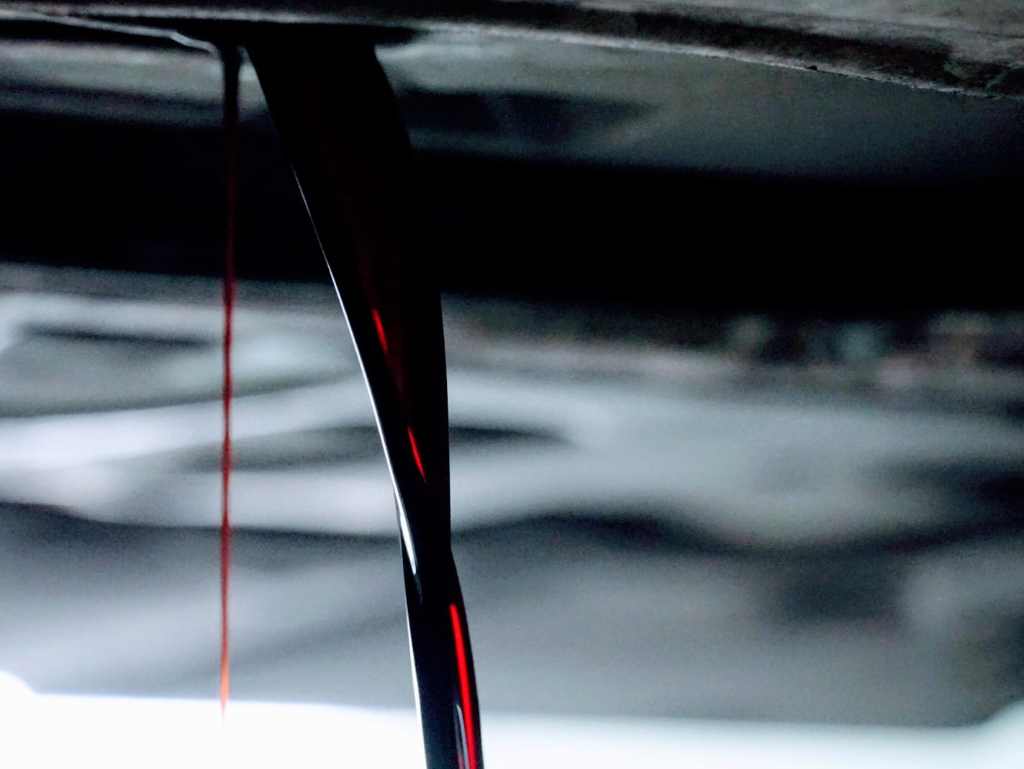
Oil changes are the single most important maintenance task for your vehicle. While it may seem like a minor service, skipping or delaying oil changes can lead to serious—and expensive—engine problems.
Why Oil Changes Matter
Engine oil serves several critical functions:
- Lubrication: Reduces friction between moving parts, preventing wear
- Cooling: Carries heat away from critical components
- Cleaning: Suspends dirt and debris, preventing buildup
- Protection: Prevents rust and corrosion inside the engine
What Happens When You Skip Oil Changes
As oil ages, it breaks down and becomes contaminated with dirt, metal particles, and combustion byproducts. When you delay oil changes:
Oil Loses Effectiveness
Old oil can't lubricate properly, causing increased friction and heat that accelerate engine wear.
Sludge Builds Up
Dirty oil forms sludge that clogs oil passages, starving engine components of lubrication.
Parts Wear Faster
Without proper lubrication, pistons, bearings, and camshafts wear out prematurely, leading to costly repairs.
Engine Overheats
Degraded oil can't dissipate heat effectively, causing the engine to run hotter and risk overheating.
Total Engine Failure
In extreme cases, complete lack of lubrication can seize the engine, requiring a full replacement—often costing $5,000 or more.
How Often Should You Change Your Oil?
The old "3,000 miles or 3 months" rule is outdated for most modern vehicles. Today's recommendation depends on several factors:
- Manufacturer Recommendation: Check your owner's manual—this is the most reliable source. Most modern cars recommend 5,000-7,500 miles with conventional oil.
- Oil Type: Synthetic oil lasts longer (7,500-10,000+ miles) than conventional oil (3,000-5,000 miles).
- Driving Conditions: Stop-and-go traffic, short trips, towing, extreme temperatures, and dusty roads all require more frequent changes.
- Vehicle Age: Older, high-mileage vehicles may benefit from more frequent oil changes.
Sacramento Driving and Oil Changes
Sacramento's climate and traffic patterns can impact your oil change needs. Hot summers cause oil to break down faster, while heavy commuter traffic puts extra stress on your engine. If you frequently drive in stop-and-go conditions or make short trips (less than 10 miles), consider changing your oil more often than the standard recommendation.
What's Included in Our Oil Change Service
At Cooks Auto Repair, our oil change service includes:
- Drain old oil and replace with quality new oil
- Replace oil filter with a quality part
- Inspect fluid levels and top off as needed
- Check tire pressure
- Inspect belts and hoses
- Complimentary multi-point inspection
- Reset oil life monitor (if equipped)
Save Money in the Long Run
Regular oil changes cost $40-$100, depending on your vehicle and oil type. Compare that to a new engine ($5,000+), and it's clear that preventive maintenance pays off. At Cooks Auto Repair, we keep detailed service records and send reminders so you never miss an oil change.
Establish a Maintenance Routine
The best approach is to establish a regular maintenance schedule based on your driving habits and manufacturer recommendations. Keep track of your mileage, and don't wait for warning lights. By the time the oil pressure light comes on, significant damage may have already occurred.