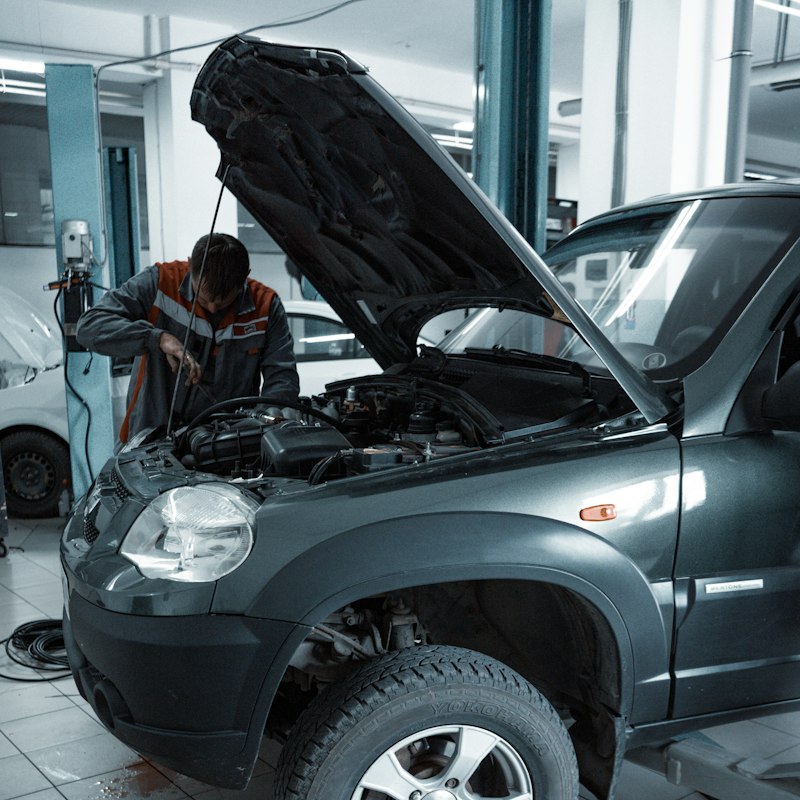
Coolant leaks are one of the most common—and dangerous—automotive issues. Left unaddressed, they can lead to engine overheating and catastrophic damage. Here's how to spot the warning signs early.
What Is Coolant and Why Is It Important?
Coolant (also called antifreeze) is a specially formulated fluid that circulates through your engine, absorbing heat and preventing overheating. It also protects against freezing in cold weather and corrosion throughout the year.
Without proper coolant levels, your engine can overheat in minutes, potentially causing warped cylinder heads, blown head gaskets, or even complete engine failure.
Common Signs of a Coolant Leak
1. Puddles Under Your Car
Coolant is typically bright green, orange, pink, or yellow. If you see a colorful puddle under your car, especially near the front, you likely have a coolant leak. Check your garage floor or parking spot regularly.
2. Rising Temperature Gauge
If your temperature gauge creeps higher than normal or the warning light comes on, it's a clear sign you're low on coolant. Pull over immediately and turn off the engine.
3. Sweet Smell
Coolant has a distinctive sweet smell. If you notice this odor inside or outside your vehicle, especially after running the engine, you may have a leak.
4. Low Coolant Warning Light
Many modern cars have a low coolant warning light. If this illuminates, check your coolant reservoir and look for visible leaks.
5. White Exhaust Smoke
If coolant is leaking into the combustion chamber (usually from a blown head gasket), you'll see thick white smoke from the exhaust. This is a serious issue requiring immediate attention.
6. Heater Not Working
Your heater relies on hot coolant. If your heater suddenly stops blowing warm air, low coolant could be the culprit.
Common Causes of Coolant Leaks
- Worn or Cracked Hoses: Rubber hoses deteriorate over time, especially with heat exposure
- Damaged Radiator: Corrosion, road debris, or age can cause radiator leaks
- Faulty Radiator Cap: A bad cap won't maintain proper pressure, allowing coolant to escape
- Water Pump Failure: The water pump circulates coolant; when it fails, it often leaks
- Blown Head Gasket: One of the most serious causes, requiring significant repair
- Heater Core Leak: You may notice a sweet smell inside the cabin or damp carpet
What to Do If You Suspect a Leak
- Pull over safely if your temperature gauge is high
- Let the engine cool before opening the hood
- Check the coolant reservoir level when the engine is cold
- Look for visible leaks under the car and around hoses
- Do not drive the vehicle if it's overheating
- Call for a tow or professional inspection
Why Quick Action Matters
A small coolant leak can quickly become a major problem. Even a minor leak can lead to engine overheating, which can warp metal components and cause thousands of dollars in damage. At Cooks Auto Repair, we use pressure testing and UV dye to quickly locate leaks and provide accurate repair estimates.
Prevention Tips
- Have your cooling system inspected annually
- Flush and replace coolant per manufacturer recommendations
- Replace hoses and clamps before they fail (typically every 4-5 years)
- Address small leaks before they become big problems
- Monitor your temperature gauge and coolant level regularly